

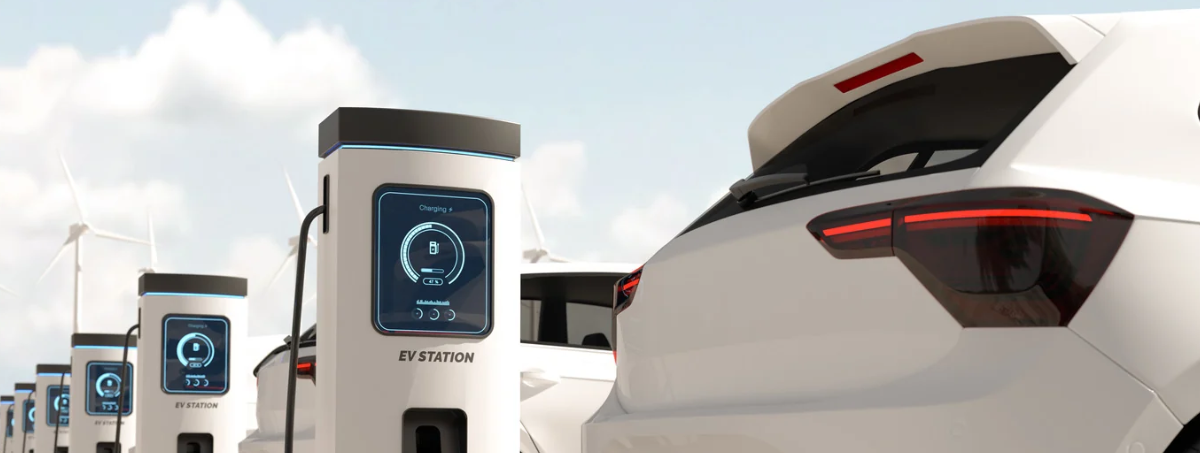
A new Irish pilot is connecting electric vehicle fleet depots directly to Ireland’s electricity flexibility markets for the first time. The first participants are An Post and DHL Express Ireland, and the approach lets fleet operators cut charging costs and earn revenue by shifting demand away from periods of grid stress.
The project is a collaboration between VIOTAS, Mitsui Ireland, ESB’s Smart Energy Services, eStation and The Mobility House Solutions. VIOTAS is a smart grid and energy flexibility company based in Fort Stewart, County Donegal, with estimated revenue of $25 million to $50 million (€22 million to €43 million). DHL Express Ireland is part of DHL Group, which reported revenue of €82.9 billion and operating profit of €6.1 billion for 2025.
The structural driver is the rising share of wind in Ireland’s electricity mix, which makes flexible demand increasingly valuable for balancing the system. Large depot fleets suit that role because vehicles sit on chargers for long periods, so charging schedules can shift without disrupting operations, provided vehicles are charged before they go on the road.
The pilot covers Cork and Galway sites for An Post and a Dublin site for DHL, with 211 electric vehicles, 181 charging points and up to half a megawatt of flexible demand able to respond to signals from the electricity system. Mitsui Ireland provides charging solutions, The Mobility House Solutions and eStation supply and install the charging and energy management system that orchestrates charging across vehicles, and VIOTAS provides the technology and market interface that lets charging demand respond to grid needs.
An Post operates more than 2,100 electric vehicles, with over half of its final-mile fleet fully electrified, and is committed to net zero carbon emissions across its operations by 2030. DHL Express Ireland is working within the group’s Mission 2050 strategy, which targets net zero emissions across its operations and treats fleet electrification and depot energy optimisation as key components.
For fleet owners, the approach offers a practical way to generate revenue that offsets rising electricity costs while keeping operations reliable. For the electricity system, coordinated charging of large fleets can help balance supply and demand and support higher shares of renewable electricity.
For the sector, the pilot shows fleet charging evolving from an operational cost into an energy asset, with depots earning revenue for flexibility as electrification expands.
Source: irishtechnews.ie / leadiq.com / group.dhl.com











.png)