

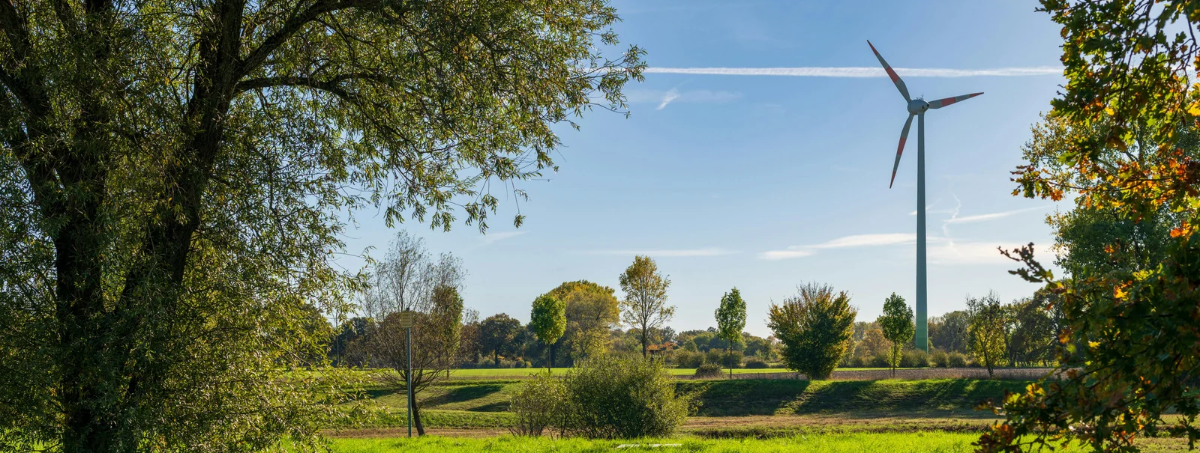
Echelon Data Centres will co-locate its DUB20 data centre campus in Arklow, County Wicklow, with onsite solar, battery storage and a shared electricity substation for SSE’s proposed 800MW Arklow Bank Wind Park 2, in what the company describes as Ireland’s first green energy park. The design pairs a large data centre load with generation and storage next to the grid connection, rather than relying on the network alone.
Echelon is a Dublin-based data centre developer founded in 2016 and backed by Starwood Capital, which invested $850 million (€734 million) in 2024 at a valuation of about €2.5 billion. Starwood has around $115 billion (€99 billion) of assets under management. SSE, the London-listed energy group, reported revenue of £10.19 billion and is developing the offshore wind project that will share the substation.
The structural driver is grid constraint on large data centre loads. Echelon is responding by building a new 220kV substation through which DUB20 and the wind park will both connect to the national grid, and by adding two onsite energy centres, one able to export power to the grid during periods of low renewable output, which the company says makes it the largest grid-supporting asset in Ireland that is not a dedicated power station.
Onsite solar is planned alongside battery energy storage, and Echelon will use hydrotreated vegetable oil to cut emissions from onsite generation by up to 90%. DUB20 sits on the former Irish Fertilisers Industries site at Avoca River Business Park in Arklow and is due for completion by 2028.
The campus forms part of Echelon’s €4.2 billion investment in its DUB20 and DUB30 facilities in Wicklow. An independent KPMG assessment found the two campuses could generate up to €7.5 billion in economic output during construction and €801 million a year once operational, with every €1 invested yielding €1.60 in wider economic activity.
Graeme McWilliams, Echelon’s chief strategy officer, said “creating Ireland’s first Green Energy Park at DUB20 demonstrates how large-scale digital infrastructure can be developed responsibly.” He added that co-locating data centre capacity with offshore wind, onsite solar and grid-supporting infrastructure will deliver “cutting emissions, reinforcing energy security and supporting regional economic growth.”
For the sector, Arklow shows data centre developers building generation, storage and grid support into the campus design itself, easing their demand on the national network.
Source: irishtechnews.ie / datacenterdynamics.com / farmersjournal.ie











.png)