


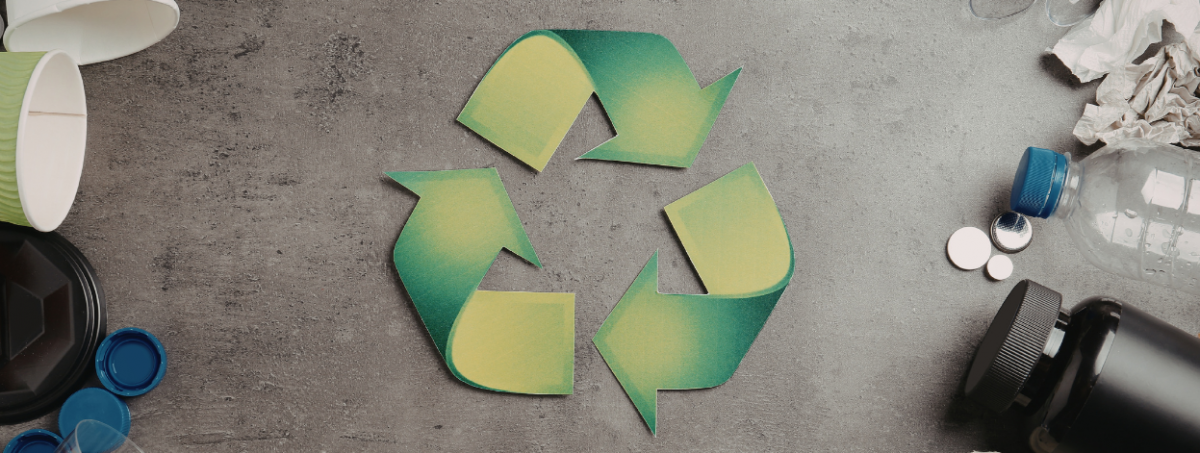
Globally, the circular economy is gathering pace as businesses recognise the value of keeping materials in use longer. The Irish government’s Whole of Government Circular Economy Strategy 2026–2028, published on gov.ie in February 2026, is Ireland’s most comprehensive roadmap for this transition. Covering construction, agriculture, retail, packaging, textiles and electronics, it positions circularity as a climate contribution and competitiveness opportunity. For green sector executives, it is a signal worth acting on.
The strategy is ambitious and structurally sound, and Ireland’s opportunity is considerable. The 2024 Circularity Gap Report confirmed over 97 per cent of materials come from virgin sources, so circularity gains are large. Eurostat data from November 2025 places Ireland’s rate at 2.0 per cent against an EU average of 12.2 per cent. The 12 per cent target by 2030 is a meaningful step, anchored in statutory grounding, sector roadmaps and digital tools.
The strategy’s statutory basis is a foundational strength. The Circular Economy Act 2022 provides the legal framework the first strategy lacked, giving sector targets real enforcement weight. Ireland’s Circularity Gap Report recorded a technical cycling rate of 2.7 per cent against a global average of 7.2 per cent per Circle Economy in 2023. Raising the rate by two percentage points annually is an achievable trajectory supported by a whole-of-government implementation structure.
The Digital Product Passport provisions align Ireland with an evolving EU framework set to reshape product markets across the continent. Under the Ecodesign for Sustainable Products Regulation, DPP enforcement begins from 2026, with a central EU registry by mid-2026. Priority categories including textiles, batteries, electronics and construction map onto four of the strategy’s six target sectors. Irish manufacturers who move early on DPP readiness will meet EU requirements ahead of schedule.
The sectoral roadmaps offer the most commercially actionable material in the strategy. A Circularity Roadmap for Construction, due in 2026, arrives as the industry scales to meet Ireland’s housing and infrastructure programme. The food waste target, a 50 per cent reduction by 2030, provides direction for agri-food supply chain investment. The National Pilot Repair Voucher Scheme builds consumer demand for repair, strengthening the business case for retail and electronics aftermarket services.
Three actions would strengthen delivery. The government should publish quantitative sectoral baselines alongside the Construction Roadmap, enabling businesses to benchmark and investors to size transition opportunities. The Green Public Procurement Strategy should be aligned with sector targets, using state purchasing power to build demand for circular products. The Circular Economy Innovation Grant Scheme, expanded to €1.5 million annually, should be supplemented by a scale-up fund to bring enterprises to export scale.
Ireland’s 2.0 per cent circularity rate represents a well-resourced starting point for a transition already under way. Globally, the circular economy is becoming central to industrial competitiveness, supported by EU regulation, corporate sustainability commitments, and investor interest. Ireland’s enterprise infrastructure and regulatory capacity provide the foundations to move quickly. The Circular Economy Strategy 2026–2028 provides the direction; the work of building a genuinely circular Irish economy can now begin in earnest.
(The views expressed by the writer are his/her own and do not necessarily reflect the views or positions of BusinessRiver.)








.png)